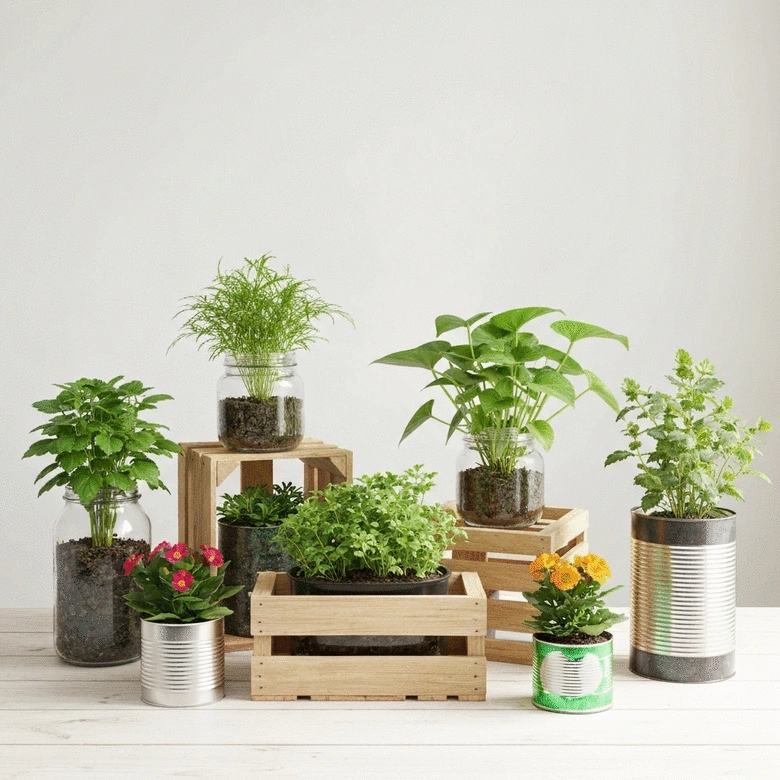
Upcycled Planters for Indoor Gardening
Are you ready to elevate your indoor gardening game while making eco-friendly choices? In 2025, indoor gardeners prioritize sustainable solutions that align with their values and aesthetics. Here's what you should consider before investing in your next planter.
Key Review Insights
- Sustainability Matters: Choose planters made from upcycled materials to minimize plastic waste and reduce your carbon footprint.
- Non-Toxic Materials: Look for brands that offer non-toxic finishes to ensure your plants thrive in a chemical-free environment.
- Durability is Key: Opt for planters that can withstand wear and tear, promoting healthy plant growth over time.
- Design Versatility: Brands like The Sill, West Elm, and Ecopots Oslo are praised for their ability to fit various home aesthetics while maintaining functionality.
- Weight Considerations: Lightweight options, such as West Elm planters, are easier to move, especially for larger plants.
- Drainage and Functionality: Ensure the planter has adequate drainage; some models may have inconsistent setups affecting plant health.
- Use Case Specificity: The Sill is ideal for small spaces, West Elm suits large statement plants, and Ecopots Oslo is great for both indoor and outdoor settings.
- Price vs. Value: Assess the balance between price and durability; higher-cost options may offer better long-term value.
Who It's Best For: Upcycled Planters
Whether you're a seasoned indoor gardener or just starting your journey toward a greener home, understanding who benefits from upcycled planters can help you make the best choice. Here’s a breakdown of the user types that will find the most value in products like The Sill, West Elm, and Ecopots Oslo.
🌱 Apartment Dwellers
For those living in smaller spaces, The Sill offers charming designs that maximize style without overwhelming your home. Perfect for renters looking to add greenery without the hassle of maintenance.
🌿 Plant Enthusiasts
If showcasing your plants is a top priority, The Sill's aesthetically pleasing pots cater to your design sensibilities while ensuring a healthy environment for your plants.
🏡 Eco-Conscious Shoppers
Individuals committed to reducing waste will appreciate the upcycled materials in these planters, making brands like Ecopots Oslo an ideal choice for sustainable living.
🌼 Families Seeking Safe Options
Families can benefit from non-toxic finishes offered by these planters, ensuring a safe environment for children and pets while nurturing plants indoors.
🌍 Sustainable Designers
Interior designers looking to blend aesthetics with eco-friendliness will find versatile options in West Elm’s range, allowing for creative expression while being kind to the planet.
Product Comparison
This comparison table helps you evaluate key features and differences between The Sill, West Elm, and Ecopots Oslo to determine which upcycled planter best fits your indoor gardening needs.
| Upcycled | Recycled | Recycled |
| Charming | Modern | Minimalist |
| High | Medium | High |
| Heavy | Light | Medium |
| Limited | Varied | Limited |
| Small Spaces | Large Plants | Indoor/Outdoor |
Best Upcycled Planters for Indoor Gardening in 2025: Who They’re For and How They Really Perform
In 2025, indoor gardening enthusiasts are more focused than ever on sustainable solutions that not only enhance their living spaces but also align with their eco-conscious values. Eco-friendly, upcycled planters serve as a stylish answer to the growing concern of sustainability while adding a touch of greenery to homes. The Sill, West Elm, and Ecopots Oslo frequently dominate the “best indoor planter” and eco-planter lists, thanks to their commitment to both design and functionality. This guide dives into real-world use rather than just marketing claims, offering insights that matter.
The Eco-Conscious Indoor Gardener in 2025: What You’re Really Looking For in a Planter
Today’s indoor gardeners come in various shapes and sizes, but they all share a commitment to sustainability. Typical buyers include apartment dwellers seeking stylish solutions, plant-obsessed decorators who want to showcase their green thumb, and shoppers focused on reducing their environmental footprint. They prioritize:
- Reducing plastic waste by opting for upcycled materials instead of virgin plastics.
- Non-toxic finishes that ensure their plants thrive without harmful chemicals.
- Long-lasting pots that can withstand the test of time, both aesthetically and structurally.
Balancing aesthetics with practical needs like drainage, weight, and plant health is crucial, making these factors essential when selecting a planter.
Upcycled vs Recycled vs “Sustainable” Planters: What Actually Matters for Indoor Use
Understanding the distinctions between upcycled materials, recycled plastics, and claims of “sustainability” is vital for making informed choices. Here’s a brief overview of what matters most for indoor gardeners:
- Upcycled materials often have a lower carbon footprint than recycled options, as they repurpose existing materials.
- Toxicity concerns arise from harsh chemical treatments, making it essential to choose brands that offer safe, non-toxic finishes.
- Durability is crucial; upcycled pots should withstand common household wear while promoting healthy plant growth.
- Insulation properties help maintain soil temperatures, affecting root health and overall plant vitality.
Knowing how recycled plastic planters stack up against natural fibers and concrete is also key, especially regarding weight, longevity, and maintenance.
Why The Sill, West Elm, and Ecopots Oslo Keep Showing Up in Best Planter Lists
These three brands consistently appear in eco-friendly planter round-ups, and here’s why:
- Material quality: A strong emphasis on using recycled plastics and upcycled/natural fibers aligns with sustainable shopping trends.
- Design versatility: Reviewers appreciate their ability to fit seamlessly into various home aesthetics without sacrificing functionality.
- User satisfaction: Many indoor gardeners highlight the practicality and visual appeal of these planters, often noting how they elevate their indoor spaces.
As an advocate for sustainable living through TyWigs, I’ve found that these brands resonate well with those looking to enhance their indoor gardens while remaining environmentally conscious.
Reviewer's Pro Tip
From my testing experience: When evaluating upcycled or recycled plastic planters, always check if they include adequate drainage holes or if they are suitable for a nursery pot insert. While beautiful designs are tempting, poor drainage is a common pitfall that can lead to root rot, even in the most eco-conscious choices. Prioritize plant health alongside sustainable materials!
Real‑World Pros, Cons, and Value: Honest Reviews of The Sill, West Elm, and Ecopots Oslo in 2025
As we dive into the nitty-gritty of these top contenders in the eco-friendly planter world, it's crucial to evaluate not just the marketing claims but also the practical usability, price points, and overall satisfaction that indoor gardeners experience over the long haul. Each of these brands brings something unique to the table, but which one truly aligns with your indoor gardening needs?
The Sill Upcycled & Natural Fiber Planters Review: Charming Indoor Pots for Style‑First Plant Parents
The Sill’s offerings stand out for their charming designs that appeal to those who prioritize aesthetics in their plant decor. The blend of upcycled fibers, natural materials, and stylish finishes make these pots a favorite among plant parents focused on decor. However, potential buyers should be aware of a few common drawbacks.
- Pros: Unique design, compatible with various plant types, eco-friendly materials.
- Cons: Higher price point for larger sizes, limited large floor options, heavier materials may be cumbersome.
West Elm Recycled Plastic Planters Review: Big, Lightweight Pots for Statement Indoor Plants
West Elm’s recycled plastic planters cater to those who love making a statement with their indoor plants. Their large sizes and modern finishes appeal to anyone with a penchant for bold decor. Yet, there are some considerations to keep in mind when opting for these larger formats.
- Pros: Wide variety of sizes, lightweight for easy movement, attractive appearance.
- Cons: Occasional issues with drainage setups, potential scuffing, and inconsistent finishes.
Ecopots Oslo Review: Minimalist Recycled Plastic Planter Built for Indoors, Balconies, and Small Terraces
The Ecopots Oslo has carved a niche for itself with its minimalist design and versatility. Ideal for those who appreciate a clean aesthetic, these pots are perfect for both indoor and semi-outdoor use. However, buyers looking for more decorative details might find the Oslo lacking.
- Pros: Durable construction, weather-resistant, sleek design.
- Cons: Limited color options, minimal decorative features.
Comparing Real‑World Drawbacks: Where Each Brand Disappoints Indoor Gardeners
While each brand shines in its own right, there are certain areas where they fall short, and it’s essential to consider these when making a purchase decision:
- The Sill: May not offer enough large sizes for those looking to house bigger plants.
- West Elm: Sometimes prioritizes design at the expense of functionality.
- Ecopots Oslo: The understated look may not satisfy those searching for a standout planter.
Price, Value, and Best Use Cases: Which Upcycled Planter Is Worth It for Your Indoor Garden?
Understanding the price ranges and overall value of these planters can help you find the right fit for your indoor garden. Here’s a quick guide to the typical budgets and best use cases for each option:
- The Sill: Best for those looking for smaller, aesthetically pleasing pots—ideal for renters or small spaces.
- West Elm: Perfect for buyers needing large statement pieces—great for high ceilings and spacious interiors.
- Ecopots Oslo: A smart pick for those with balconies or small terraces, combining functionality with a minimalist style.
Frequently Asked Questions (FAQs)
What is the main difference between upcycled and recycled planters?
Upcycled planters repurpose existing materials into a new product without breaking them down, often resulting in a lower carbon footprint. Recycled planters break down materials (like plastic) to create new ones, which can also be eco-friendly but may involve more processing.
Do these eco-friendly planters come with adequate drainage?
Drainage varies by brand and specific model. While some, like Ecopots Oslo, are generally well-designed for drainage, brands like West Elm have occasionally shown inconsistent drainage setups. It's crucial to check for drainage holes or suitability for nursery pot inserts to prevent root rot, as highlighted in the reviewer's pro tip.
Are the materials used in these planters truly non-toxic for plants and pets?
The brands reviewed (The Sill, West Elm, Ecopots Oslo) emphasize non-toxic finishes and materials as part of their sustainable approach. This ensures a safe environment for your plants, children, and pets, aligning with eco-conscious shopper priorities.
Which brand is best for large indoor plants or statement pieces?
West Elm recycled plastic planters are highlighted as ideal for large statement indoor plants due to their wide variety of sizes, lightweight nature for easy movement, and modern aesthetic that complements spacious interiors.
Can Ecopots Oslo planters be used outdoors?
Yes, Ecopots Oslo planters are specifically designed for versatility, making them suitable for both indoor settings and semi-outdoor spaces like balconies and small terraces. They are known for their durable and weather-resistant construction.
Are The Sill planters worth the higher price point?
The Sill planters tend to have a higher price point, especially for larger sizes, but they are valued for their unique, charming designs and eco-friendly materials. They are best for those who prioritize aesthetics and are looking for smaller, stylish pots for compact spaces or apartment living.
Do any of these brands offer lightweight options for easy repositioning?
West Elm planters are praised for being lightweight, which makes them easier to move, especially for larger plants. The Sill's planters can be heavier due to their material composition.
What should I consider if I'm looking for a planter with strong insulation properties?
While the review mentions insulation properties help maintain soil temperatures for root health, specific details on which brand excels in this area are not provided. Generally, materials like ceramic or terracotta offer better insulation than thin plastic, but upcycled options may vary. It's advisable to research specific product materials if insulation is a top priority.
Final Buying Guide: How to Choose Between The Sill, West Elm, and Ecopots Oslo for Your 2025 Indoor Garden
Choosing the right planter comes down to your unique space, style, and sustainability goals. Here are my suggestions based on your needs:
- If you love styling small spaces with an array of greenery, go for The Sill.
- If you have large indoor plants and want a cohesive look with your home decor, West Elm is the way to go.
- If you need flexibility for both indoor and outdoor use, Ecopots Oslo will serve you well.
In conclusion, each brand offers distinct advantages tailored to different gardening styles. As someone deeply committed to sustainable living, I recommend taking a moment to assess your specific requirements—be it size, design, or eco-friendliness—before making your final decision. Ultimately, the best planter for you will be one that meets both your aesthetic desires and practical needs. Happy planting!