Evaluating Upcycled Home Decor Sustainability
Are you questioning the true sustainability of upcycled home decor? As consumers become more eco-conscious, understanding the implications of your purchase has never been more critical. Here’s what you need to know to make informed decisions that align with your values and style.
Key Review Insights
- Prioritize reducing waste – Many buyers aim to minimize their contributions to landfills, making sustainable choices essential.
- Look for durability – Products that withstand the test of time not only enhance your decor but also further reduce waste.
- Beware of greenwashing – Ensure that marketing claims about sustainability are backed by transparent material sourcing and lifecycle considerations.
- Evaluate material types – Recycled glass is visually appealing and has a clear sustainability story, while reclaimed wood offers longevity and functionality.
- Consider dual-purpose items – Decor that combines aesthetics with utility can enhance both style and practicality in your home.
- Assess repairability – Products that can be repaired or repurposed extend their lifecycle and contribute to sustainable living.
- Understand your budget – Recycled textile decor provides an affordable entry point into sustainable home decor without significant commitment.
- Ask key questions – Inquire about material sourcing, build quality, and the product's lifecycle to ensure genuine sustainability.
- Match products to your needs – Choose decor that aligns with your priorities, whether it’s decorative impact, functionality, or affordability.
Who It's Best For: Upcycled Home Decor
Exploring the world of upcycled home decor? Here’s a quick guide to help you identify who can benefit most from different options like the Wyld Home Recycled Glass Candleholders, reclaimed wood decor, and recycled textile accents. Whether you’re looking for durability, sustainability, or affordability, there’s something here for everyone!
🌿 Eco-Conscious Shoppers
These individuals prioritize reducing waste and are on the lookout for decor that not only looks good but also has a positive environmental impact. The Wyld Home candleholders speak directly to their values with a clear recycled-material story.
🏡 Practical Homeowners
Homeowners who crave multi-functional decor will appreciate reclaimed wood pieces. They offer durability and aesthetic versatility, making them a sound investment for those who value both form and function.
💰 Budget-Conscious Decorators
For those looking to refresh their space without a hefty price tag, recycled textile accents are an ideal choice. These decor items are cost-effective and allow for style experimentation without long-term commitment.
🌍 Sustainability Advocates
Consumers who are deeply invested in sustainability will seek decor that is not only stylish but also supports a circular economy. They will find value in understanding material sourcing and product lifecycle, making informed choices that resonate with their eco-friendly ethos.
🎨 Creative Home Stylists
These individuals are always on the hunt for unique pieces to elevate their decor. The versatility of upcycled materials allows them to create stunning displays that reflect personal style while championing sustainable practices.
Product Comparison
This comparison highlights key attributes of the main product and its alternatives in the realm of upcycled home decor, assisting buyers in making informed decisions.
Is Upcycled Home Decor Really Sustainable, or Just a Better-Looking Way to Buy More?
When diving into the world of upcycled home decor, one of the first questions that pops into my mind is how exactly these products claim to be sustainable. Upcycled decor involves transforming discarded materials into new decorative pieces, aiming to reduce waste and give materials a second life. But what does “sustainable” mean in this context? It's not simply about buying something that looks good; it's about understanding the impact of our choices on the environment. As I explored various products, I noticed that shoppers often compare items made from recycled glass, reclaimed wood, and recycled textiles when seeking a lower-impact home refresh. Each of these materials has its own benefits and considerations.
What buyers actually mean when they ask whether recycled glass, reclaimed wood, and recycled textiles are “worth it”
Buying decisions often stem from a desire to reduce waste and select materials that are durable, stylish, and aligned with personal values. Here are some key motivations I found among fellow eco-conscious shoppers:
- Reducing Waste: The desire to minimize landfill contributions is significant for many buyers.
- Durable Decor: Customers are eager for items that can withstand the test of time, both in aesthetics and functionality.
- Avoiding Greenwashing: Shoppers are increasingly aware of marketing strategies that mislead about a product's sustainability.
- Stylish Choices: It's important for decor to not just be eco-friendly but also to fit seamlessly into everyday life.
As I navigated through various options, it became clear that while aesthetic appeal was essential, the underlying material choices also played a crucial role in the decision-making process.
The sustainability tradeoffs that matter more than the label on the listing
One thing I learned is that not all upcycled products are created equal. It's vital to look beyond the label and consider the following aspects:
- Material Sourcing: Knowing where the materials come from can shed light on the product’s true sustainability.
- Durability: Items that last longer can replace multiple short-lived purchases, ultimately reducing waste even further.
- Circularity: How well does the product fit into a circular economy model? This matters for long-term sustainability.
- Repairability: Can the item be repaired if it gets damaged? This is crucial for maintaining its lifecycle.
- End-of-Life Value: Consider what happens to the item when it’s no longer usable. Will it decompose, or can it be repurposed again?
These tradeoffs highlight that while some products may seem sustainable at first glance, a deeper dive reveals more nuanced realities about their environmental impact.
Which type of upcycled decor tends to make the strongest real-world sustainability case
In my experience, the types of materials used in upcycled decor can significantly influence their sustainability credentials:
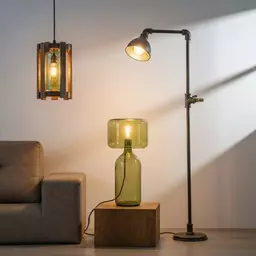
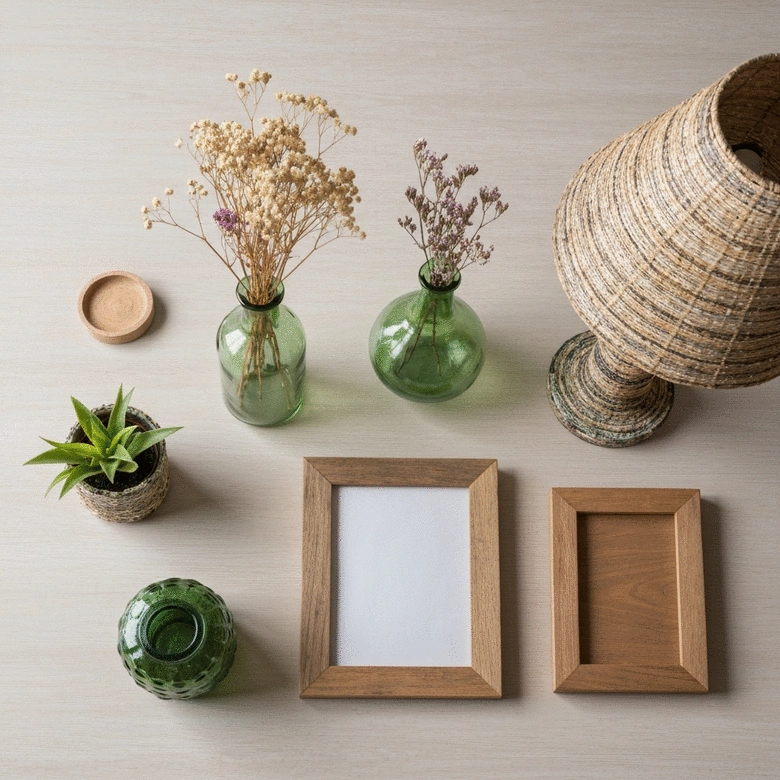
- Recycled Glass: Often transparent and visually striking, recycled glass is appealing for its aesthetic qualities and clear sustainability story.
- Reclaimed Wood: This material shines in functional use, providing not just beauty but also practicality in storage and design.
- Recycled Textiles: While they may offer an accessible entry point into sustainable decorating, their lifecycle and longevity can be more contentious.
As I tested various items from these categories, I found myself gravitating towards products that balanced practical use with visual appeal, ensuring that my decor choices were not just stylish but genuinely sustainable.
Reviewer's Pro Tip
From my testing experience: When evaluating upcycled decor, don't just look for the "recycled" label. Always dig a little deeper into the *story* behind the material. For example, with reclaimed wood, ask about its previous life and how it was processed. For recycled glass, understand if it's post-consumer or industrial waste. The more transparent the brand, the more trustworthy their sustainability claim.
Frequently Asked Questions About Upcycled Home Decor
What does "upcycled" home decor actually mean?
Upcycled home decor refers to items created by transforming discarded materials into new decorative pieces, giving them a second life. The goal is to reduce waste and minimize environmental impact by reusing existing resources rather than creating new ones from raw materials.
How can I tell if an upcycled product is genuinely sustainable and not "greenwashing"?
To identify genuine sustainability, look for transparency from the brand regarding material sourcing, the product's build quality, and its entire lifecycle. Ask questions about where the materials come from (e.g., post-consumer, industrial waste), how they were processed, and if the item is repairable or reusable. A strong sustainability claim is backed by clear, verifiable information, not just a "recycled" label.
Which upcycled material offers the best durability and long-term value?
Based on the review, reclaimed wood decor generally offers the strongest long-term value due to its inherent durability and versatility. It can serve both decorative and functional purposes, withstands the test of time, and ages gracefully, making it a sound investment.
Is recycled glass decor truly eco-friendly, and what are its benefits?
Yes, recycled glass decor often has a very clear and trustworthy sustainability story because its recycled origin is usually visible and easy to verify. It's an excellent choice for those prioritizing a transparent eco-claim, offering a stylish aesthetic suitable for tabletop styling and seasonal decor updates without compromising values.
Are recycled textile accents a good option for budget-conscious decorators?
Recycled textile accents, such as throw pillows and cushion covers, are an ideal and affordable entry point into sustainable decor. They allow for easy experimentation with styles and colors without a significant financial commitment, making them perfect for refreshing a room on a budget.
What key questions should I ask before buying any upcycled decor piece?
Before purchasing, inquire about: 1) The origin of the material and brand transparency. 2) The build quality and expected lifespan. 3) The item's repairability or reusability. 4) Whether it serves a dual purpose (aesthetics and utility). These questions help ensure genuine sustainability and value.
How do upcycled products contribute to a circular economy?
Upcycled products contribute to a circular economy by diverting materials from landfills and extending their useful life. Instead of being disposed of, discarded items are transformed into new products, reducing the demand for virgin resources and minimizing waste generation, thereby keeping materials in use for longer.
Which Upcycled Home Decor Product Gives the Best Balance of Style, Durability, and Honest Sustainability?
When it comes to choosing the best upcycled home decor, it’s essential to weigh the balance of style, durability, and honest sustainability. After comparing the Wyld Home Recycled Glass Candleholders, reclaimed wood decor, and recycled textile accents, I found distinct advantages and trade-offs for each option. Here's a straightforward breakdown to help you make an informed choice.
If you want the strongest long-term value, reclaimed wood usually has the edge
Reclaimed wood decor often stands out as the best investment for those focused on functionality and durability. Here’s why it might just be your best bet:
- Multi-functional: Can replace both decor and storage needs.
- Durable: Ages well and remains stylish across changing trends.
- Eco-friendly: Reinforces sustainability by reusing materials that would otherwise go to waste.
If you want the cleanest sustainability story, recycled glass makes the message easiest to trust
For buyers looking for an undeniably transparent sustainability message, recycled glass decor ticks all the boxes. Here’s what makes it appealing:
- Visible Quality: Clear recycled origin that’s easy to explain and verify.
- Versatile Use: Ideal for tabletop styling and seasonal decor updates.
- Stylish Appeal: Offers a chic aesthetic without compromising your values.
If you want the most affordable entry point, recycled textile decor can be the easiest first buy
Recycled textile accents, like throw pillows and cushion covers, are perfect for those on a budget or looking for a simple way to dip their toes into sustainable decor. Consider these points:
- Cost-effective: Fastest way to refresh a room without breaking the bank.
- Flexible Style: Great for experimenting with patterns and colors.
- Minimal Commitment: An easy way to test sustainable decor claims in your home.
How to Choose Between Wyld Home, Reclaimed Wood Pieces, and Recycled Textile Decor Without Falling for Greenwashing
As you navigate through these diverse options, it’s crucial to keep your eyes peeled for genuine sustainability claims. Here are key questions to ask before making your final purchase:
Questions to ask before buying any upcycled decor piece
- Where does the material come from, and how transparent is the brand about it?
- What is the build quality, and will it endure years of use?
- Is the item repairable or reusable, adding to its lifecycle?
- Does it serve a dual purpose, combining aesthetics with utility?
When recycled content is a meaningful sustainability improvement, and when it is mostly a marketing claim
Understanding when recycled content genuinely enhances sustainability versus when it might just be a marketing ploy is vital. Consider these points:
- Meaningful Improvement: Stronger case when pieces are reusable, repairable, or multifunctional.
- Weaker Case: Less compelling when the product is trendy but likely to be short-lived.
The kinds of buyers each product suits best in a real home
Lastly, knowing your priorities can guide you toward the right choice. Here’s a breakdown of who should consider which products:
- Wyld Home: Ideal for shoppers seeking decorative impact with a clear recycled-material story.
- Reclaimed Wood Decor: Best for those valuing function, longevity, and rustic charm.
- Recycled Textile Accents: Perfect for buyers focused on affordability and frequent style changes.
In conclusion, each option has its merits depending on your priorities—be it long-term value, sustainability transparency, or budget-friendliness. As an advocate for eco-friendly living, I encourage you to consider what resonates most with your lifestyle. Happy decorating!