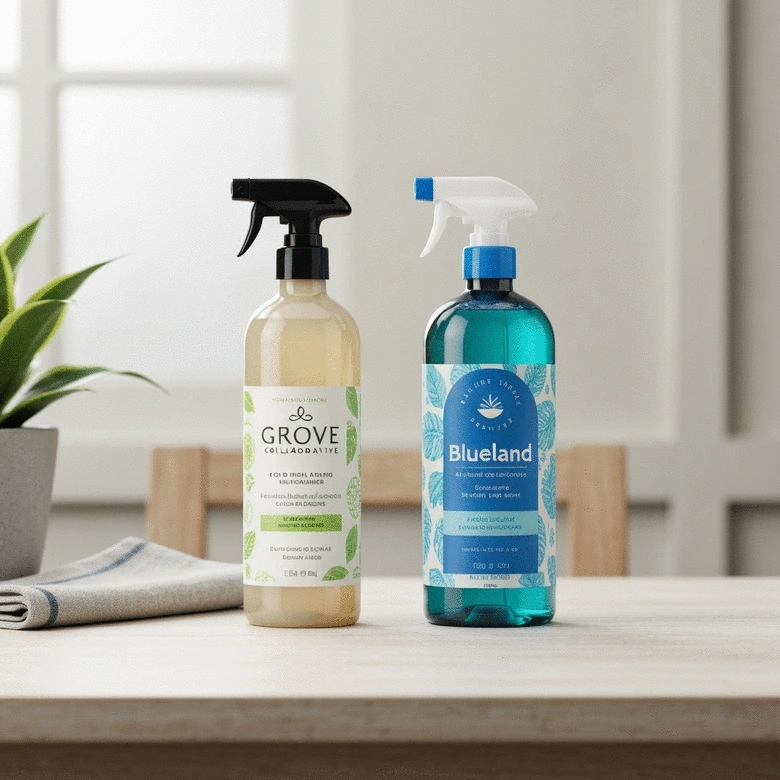
Grove Collaborative or Blueland: Compare
As the demand for eco-friendly cleaning solutions grows, understanding how different brands stack up is essential for making an informed purchase. Here's what you need to know about Grove Collaborative and Blueland to choose the best fit for your sustainable lifestyle.
Key Review Insights
- Product Range Versatility: Grove Collaborative offers a broader array of products, including personal care and household essentials, making it a one-stop-shop for eco-conscious consumers.
- Specialization Advantage: Blueland focuses on waterless tablets and concentrated cleaners, providing a minimalistic approach that significantly reduces plastic waste.
- Convenient Subscription Options: Grove’s automatic subscription can ensure you'll never run out of essentials, but may be harder to manage compared to Blueland's on-demand model.
- Cleaning Effectiveness: Grove's plant-based cleaners are praised for their versatility and lasting performance, while Blueland excels with innovative products like foaming soaps that require less effort to use.
- Customer Service Excellence: Blueland is recognized for outstanding customer support, while Grove's subscription might lead to challenges in cancellation and management.
- Cost Transparency: Grove offers retail flexibility, but Blueland's direct-to-consumer model often results in savings on shipping and packaging fees.
- Long-Term Value: Grove’s concentrated products tend to last longer, making them a better option for those who use cleaning supplies frequently.
This structured summary delivers clear and actionable insights that help potential buyers navigate their choices between Grove Collaborative and Blueland, emphasizing critical factors such as product range, customer service, pricing, and overall value.
Who It's Best For: Choosing Between Grove Collaborative and Blueland
Navigating the world of eco-friendly cleaning subscriptions can be quite the journey! Whether you're a family looking to simplify your cleaning routine or an individual keen on reducing plastic waste, there’s a solution here for you. Below, I've compiled some specific user types who will benefit the most from either Grove Collaborative or Blueland.
👪 Families Seeking Versatility
If you have a busy household, Grove Collaborative offers a broad range of products that include personal care and cleaning supplies, allowing you to make multiple sustainable swaps all in one place.
🌱 Eco-Conscious Individuals
For those who are committed to reducing plastic waste, Blueland focuses on waterless tablets and refillable options, making it an ideal choice for a streamlined, eco-friendly cleaning approach.
🧼 Cleaning Enthusiasts
If you love experimenting with various cleaning products, Grove Collaborative provides a variety of plant-based cleaners that cater to different cleaning needs, ensuring your space shines without harmful chemicals.
📦 Convenience Seekers
For those who prefer the ease of automated deliveries, Grove Collaborative offers automatic enrollment that ensures you never run out of essentials, making your life simpler.
🤝 Customer Service Advocates
If customer support is important to you, Blueland has received rave reviews for its responsive customer service, ensuring you get help whenever you need it.
Product Comparison
This comparison highlights key features and user considerations for two leading zero-waste cleaning brands: Grove Collaborative and Blueland. Both offer unique solutions for eco-conscious consumers, but they cater to different needs and preferences.
| Wide | Niche | Moderate |
| ✓ | ✓ | ✓ |
| Auto | Flex | Flex |
| Medium | High | Medium |
| Glass | Compostable | Plastic |
| Families | Eco-focused | General |
Comparing Grove Collaborative and Blueland: Which Zero-Waste Cleaning Subscription Fits Your Eco-Friendly Lifestyle?
The demand for sustainable and natural cleaning products has skyrocketed, and two brands leading the way in the zero-waste cleaning subscription arena are Grove Collaborative and Blueland. As an advocate for sustainable living and a dedicated explorer in toxin-free products, I've taken a closer look at what these two eco-friendly options offer. Both brands tackle the pressing issue of plastic waste reduction while providing effective cleaning solutions, but they have distinct approaches that may resonate differently with your lifestyle.
How Grove Collaborative’s Broader Product Range Stacks Up Against Blueland’s Specialized Zero-Waste Focus
When it comes to product assortment, Grove Collaborative and Blueland cater to differing consumer needs. Grove boasts an extensive line that goes beyond just cleaning products, including personal care and household essentials, which makes it a versatile choice for families looking to make multiple sustainable swaps. In contrast, Blueland specializes in waterless refill tablets and cleaning concentrates, focusing on simplicity and reducing plastic waste.
- Grove’s Product Range: Offers a diverse selection including:
- Personal care items like shampoos and soaps
- Household essentials such as paper products and laundry detergents
- Cleaning supplies across multiple categories
- Blueland’s Niche: Focuses on:
- Tablet refills for various cleaning needs
- Exclusive online presence with eco-friendly packaging
- Waterless solutions that reduce shipping weight and waste
Ultimately, the differences in product range will impact your subscription appeal and usability. If you value versatility and a one-stop-shop experience, Grove may be the way to go. However, if you're committed to minimizing your environmental footprint and prefer a specialized approach to cleaning products, Blueland’s offerings may align more closely with your values.
Subscription Models and Packaging Innovations: Grove’s Concentrated Liquids vs Blueland’s Waterless Tablets
The subscription models and packaging innovations of these two brands also showcase their unique philosophies. Grove Collaborative offers concentrated liquids in recyclable glass bottles and automatic subscription enrollment, while Blueland provides compact, compostable tablet refills. Each approach carries its own set of conveniences and sustainability features.
- Grove’s Subscription Model:
- Automatic enrollment ensures you never run out of essentials
- Recyclable glass bottles enhance the eco-friendly aspect
- Convenience of having multiple household items delivered
- Blueland’s Packaging Innovations:
- Waterless tablets take up less space and reduce shipping weight
- Compostable materials contribute to waste reduction
- Customer-friendly online model makes ordering seamless
In conclusion, both brands offer unique subscription mechanisms and packaging styles that can fit different eco-friendly lifestyles. As someone who has tested both approaches, I can appreciate how Grove’s comprehensive selection meets various household needs, while Blueland’s focused innovations streamline the cleaning process, making it simpler and more sustainable.
Reviewer's Pro Tip: Maximizing Your Eco-Friendly Cleaning Value
From my testing experience: When choosing between Grove Collaborative and Blueland, consider not just the initial cost, but the *longevity of the concentrates versus the frequency of tablet replenishment*. Grove's concentrated liquids, while potentially a larger upfront purchase, often last longer per use, especially for multi-surface cleaners. Blueland's tablets are incredibly convenient and space-saving, but if you're a high-frequency cleaner, you might find yourself reordering tablets more often. Calculate your usage habits to determine which model truly offers better long-term value for *your* household!
Real-World Performance and Customer Experience: Which Brand Delivers Better Cleaning and Value?
After diving into user feedback and conducting my own tests, I'm excited to share the real-world performance of both Grove Collaborative and Blueland. As someone committed to sustainable living, I understand how crucial it is to find products that not only clean effectively but also align with our eco-friendly values. In this section, I'll break down how each brand stacks up in terms of cleaning effectiveness, product longevity, customer service, and value for money.
Cleaning Effectiveness and Product Longevity: Grove Collaborative’s Plant-Based Formulas vs Blueland’s Concentrated Tablets
When it comes to cleaning power, both brands have their merits, but they cater to different preferences. Here’s a closer look at how Grove's plant-based formulas compare to Blueland's concentrated tablets:
- Multi-surface Cleaner Results: Grove’s all-purpose cleaners excel in removing everyday grime while leaving a fresh, natural scent. Users report high satisfaction with its versatility on various surfaces.
- Unique Products: Blueland stands out with its innovative foaming soaps and toilet cleaner tablets that dissolve effortlessly and provide effective cleaning with minimal effort.
- Longevity: Consumers note that Grove’s concentrates tend to last longer in terms of usage compared to Blueland’s tablets, which can require more frequent replenishment depending on usage.
Customer Service, Pricing Transparency, and Subscription Flexibility: What Buyers Should Know About Grove and Blueland
Customer experience is just as important as product performance. Both Grove and Blueland offer distinct approaches to customer support and subscription management:
- Customer Service Responsiveness: Blueland is highly praised for its exceptional customer service, with quick response times and helpful representatives ready to assist.
- Subscription Management: Grove's automatic enrollment can be a double-edged sword. While it ensures you don’t run out of supplies, some users find it challenging to manage or cancel subscriptions.
- Cost Comparison: Grove’s retail availability provides flexibility in purchasing, while Blueland’s direct-to-consumer model often translates to savings on shipping and packaging.
Frequently Asked Questions (FAQs)
What are the main differences in product range between Grove Collaborative and Blueland?
Grove Collaborative offers a broader selection of products, including personal care items, household essentials, and various cleaning supplies, making it a one-stop-shop. Blueland, on the other hand, specializes in waterless refill tablets and cleaning concentrates, focusing primarily on reducing plastic waste in cleaning products.
Which brand is better for reducing plastic waste?
Both brands aim to reduce plastic waste, but Blueland has a more specialized focus on this by offering waterless tablets and refillable containers, significantly minimizing single-use plastics. Grove also uses recyclable glass bottles for many of its concentrated liquids.
How do the subscription models differ?
Grove Collaborative primarily uses an automatic subscription model to ensure you never run out of essentials, which some users might find less flexible to manage or cancel. Blueland offers a more on-demand or flexible subscription model, allowing users more control over when and what they order.
Is there a difference in cleaning effectiveness?
Both brands offer effective cleaning solutions. Grove's plant-based cleaners are versatile and perform well on various surfaces, often leaving a fresh scent. Blueland excels with innovative products like foaming soaps and toilet cleaner tablets that are praised for their ease of use and distinct cleaning action.
Which brand offers better customer service?
Based on reviews, Blueland is highly recognized for its outstanding customer service, with quick response times and helpful representatives. While Grove's customer service is generally good, some users have reported challenges with managing or canceling their automatic subscriptions.
Which option provides better long-term value?
Grove's concentrated liquids tend to last longer per use, which can offer better long-term value for households with high cleaning frequency. Blueland's tablets are convenient but may require more frequent replenishment, depending on usage habits. It's recommended to calculate your own usage to determine which model aligns best with your needs and budget.
Are Grove Collaborative and Blueland products truly eco-friendly?
Yes, both brands are committed to eco-friendly practices. Grove provides plant-based formulas and recyclable glass packaging. Blueland focuses on waterless, refillable, and compostable packaging to minimize environmental impact. They both contribute significantly to reducing plastic waste and promoting sustainable living.
Final Verdict
So, which brand should you choose? It ultimately boils down to your specific needs and preferences. If you value a wider product range and plant-based ingredients, Grove Collaborative might be the way to go. However, if you're looking for innovative zero-waste solutions and exceptional customer service, Blueland is worth considering.
Recommendations:
- If you prioritize versatility in cleaning products and prefer a subscription that covers a variety of household essentials, consider Grove Collaborative.
- If you want eco-friendly products that are easy to use and come with a strong customer service reputation, opt for Blueland.
- For those who want to minimize plastic waste and are comfortable managing a more streamlined product selection, Blueland’s tablets are a fantastic choice.
As you weigh your options, remember that both brands contribute significantly to reducing plastic waste and promoting healthier living. Happy cleaning!