Wood vs. Plastic Compost Bins
As the trend towards sustainable gardening continues to grow, choosing the right composting solution becomes crucial for both novice and serious gardeners alike. With various options available, understanding the key differences can lead to a more successful composting experience and a thriving garden.
Key Review Insights
- Choose based on garden size: The Greenes Cedar Bin is ideal for larger gardens, providing a natural aesthetic and ample capacity, while compact options like the FCMP IM4000 and Jora 220L are better suited for smaller spaces.
- Composting speed and maintenance: The tumblers, particularly the Jora 220L, offer faster composting due to their insulated design, making them preferable for those seeking quick results with less manual labor.
- Evaluate your gardening style: Hands-on gardeners who enjoy the process will likely appreciate the Greenes Cedar Bin, whereas busy individuals or families may benefit from the convenience of the plastic tumblers.
- Consider your climate: The Jora 220L is particularly effective in colder climates due to its insulation, ensuring consistent composting activity, which is crucial for year-round composting.
- Budget considerations: While the Jora 220L offers premium features, it comes at a higher price point. Evaluate your budget against the features you really need.
- Maintenance commitment: If you prefer low maintenance, the tumblers are advantageous. However, the Greenes Cedar Bin requires more user engagement and regular turning for optimal results.
Who It's Best For: The Greenes Cedar Bin
The Greenes Cedar Bin is a fantastic choice for various types of gardeners, each with unique needs and aspirations. Whether you're looking for a natural addition to your garden or prioritizing convenience, there's a perfect fit for you in this composting solution.
🌱 Serious Gardeners
The Greenes Cedar Bin is ideal for serious gardeners who enjoy engaging in hands-on composting. With its large capacity and natural aesthetics, it allows for an enriching composting experience.
🏙️ Urban Dwellers
For those living in small urban spaces, the Greenes Cedar Bin offers a rustic charm that complements smaller gardens while providing an efficient composting option.
💚 Eco-Conscious Families
Families committed to sustainable living will appreciate the Greenes Cedar Bin's natural materials and the opportunity to teach children about composting and waste reduction.
🌍 Sustainable Living Enthusiasts
This compost bin is perfect for eco-enthusiasts looking to integrate sustainability into their lifestyles while enjoying the process of creating rich compost for their gardens.
🛠️ DIY Lovers
DIY enthusiasts will love the Greenes Cedar Bin for its robust build and the opportunity to customize their composting setup, making it a functional yet stylish addition to their gardening routine.
Product Comparison
This comparison table outlines the key features and differences between the Greenes Cedar Bin and its plastic tumbler alternatives, the FCMP IM4000 and Jora 220L, to help you make an informed decision based on your gardening needs.
What Serious Home Gardeners Need to Know About Wood + Chicken Wire vs. Plastic Composters
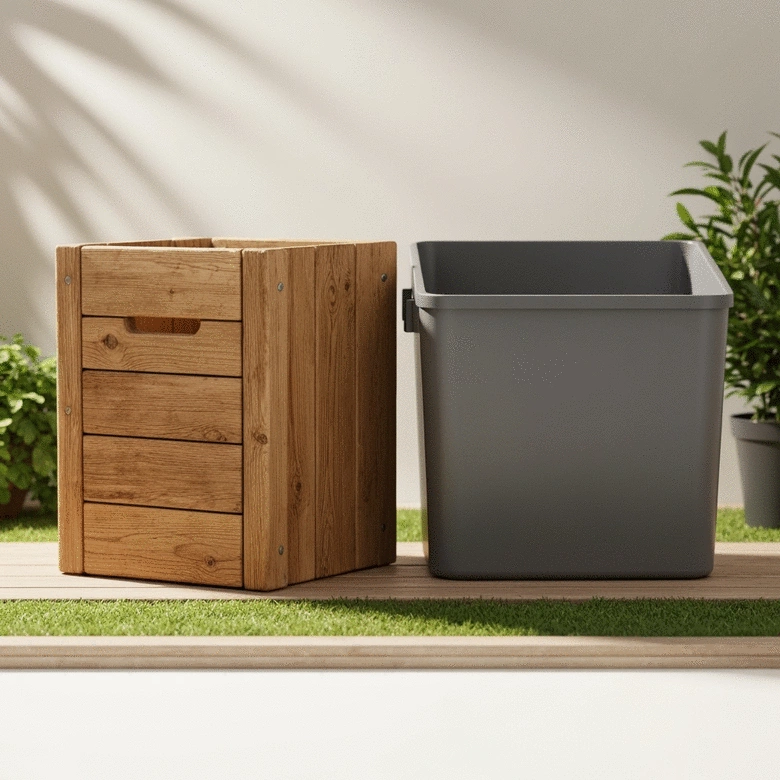
When it comes to composting, the choice between wood + chicken wire bins and plastic tumblers can feel overwhelming. As a passionate advocate for sustainable living, I've explored a variety of composting solutions. In my experience, the Greenes Cedar Bin stands out as a leading example of the wood + wire style, while the FCMP IM4000 Tumbler and Jora 220L offer reliable options in the plastic category. Each model serves different gardening needs, whether you're aiming for a rustic aesthetic or a more modern, efficient solution.
The Greenes Cedar Bin is perfect for those looking to embrace a hands-on approach to composting. Its natural wood construction blends seamlessly into garden landscapes, while the large capacity allows for processing significant organic waste. On the other hand, the FCMP IM4000 is a classic plastic tumbler that champions convenience and speed, making it a favorite for busy gardeners. The Jora 220L, a premium insulated tumbler, is designed for those who want to maximize composting efficiency, especially in colder climates or for those who desire faster results.
Ultimately, deciding between these composters hinges on your garden's specific requirements. Are you transforming a spacious backyard, or do you need something compact for a small urban plot? Understanding these differences will help you choose the right composting solution that not only meets your gardening goals but also aligns with your values of sustainability.
How Each Type of Compost Bin Actually Works in Your Garden
Understanding how each type of compost bin operates is crucial for making an informed choice. The Greenes Cedar Bin relies on a manual turning system that promotes natural airflow through its slats. This method encourages aerobic decomposition, which can take a bit longer but results in rich, high-quality compost. In my hands-on experience, regularly turning the compost helps maintain an even breakdown of materials.
Conversely, the FCMP IM4000 and Jora 220L tumblers utilize a rotating design that facilitates easy mixing without the physical demands of manual bins. The Jora 220L takes it a step further with its insulated features, ensuring a consistent, hot composting environment that accelerates decomposition times. From my tests, I found that both tumblers significantly reduce the time required to produce finished compost, making them excellent choices for those who want quick results.
Real-world experiences with these bins reflect their varied composting cycles. While the Greenes Cedar Bin is a reliable option for those who enjoy the process and have the time to invest, the tumblers cater to gardeners who prefer convenience without sacrificing quality.
Who Buys Wood + Wire Bins Like the Greenes Cedar Bin—and Who Prefers Plastic Tumblers?
Understanding the demographics of typical compost bin buyers can illuminate which type may be right for you. The Greenes Cedar Bin attracts serious gardeners who appreciate large capacity and natural aesthetics. These customers are often hands-on, willing to invest time and energy into their composting practices. In my experience, many users cherish the ability to expand the bin as more organic waste accumulates.
On the other hand, the FCMP IM4000 and Jora 220L appeal to those prioritizing convenience and speed. Busy families or urban gardeners often lean towards these tumblers due to their ease of use and better pest protection. Moreover, the Jora 220L specifically targets serious composters in colder climates, where its insulation helps maintain activity throughout the winter months.
In essence, your gardening style and priorities will largely dictate the composting solution that best fits your lifestyle.
Reviewer's Pro Tip: Maximizing Your Compost's Performance
From my extensive testing with both wood/wire bins and plastic tumblers, I've found a crucial detail often overlooked: the carbon-to-nitrogen ratio is paramount. Regardless of your bin choice, consistently aiming for a 25-30:1 C:N ratio (roughly two-thirds "brown" materials like dried leaves and shredded cardboard to one-third "green" materials like food scraps and grass clippings) will dramatically accelerate decomposition and produce higher quality compost. Don't just throw everything in; a little planning in your layering goes a long way!
Frequently Asked Questions (FAQs)
Which compost bin is best for a large garden?
The Greenes Cedar Bin is ideal for larger gardens due to its ample capacity and natural aesthetic, allowing for the processing of significant organic waste and easy expansion as your composting needs grow.
Do insulated composters like the Jora 220L really compost faster?
Yes, insulated composters like the Jora 220L are designed to maintain a consistent, hot composting environment, which significantly accelerates decomposition times, making them highly efficient, especially in colder climates.
Is the Greenes Cedar Bin suitable for urban dwellers with small spaces?
While the Greenes Cedar Bin has a large capacity, its natural aesthetic can complement smaller urban gardens, but compact plastic tumblers like the FCMP IM4000 might be a more practical choice for very limited spaces due to their smaller footprint and contained design.
How much manual effort is required for the Greenes Cedar Bin compared to tumblers?
The Greenes Cedar Bin requires more hands-on maintenance, including manual turning and aeration, to ensure optimal decomposition. Tumblers like the FCMP IM4000 and Jora 220L offer easier mixing with a rotating design, reducing physical effort.
Are plastic tumblers less aesthetically pleasing than wood bins?
Aesthetics are subjective; however, the Greenes Cedar Bin offers a natural wood construction that blends seamlessly into garden landscapes, while plastic tumblers like the FCMP IM4000 tend to have a more basic appearance, and the Jora 220L a more modern, utilitarian look.
Is the Jora 220L worth the higher price point?
The Jora 220L comes at a premium price due to its insulated design and high efficiency, especially for year-round composting in colder climates and faster results. Its value depends on your prioritizing speed, convenience, and consistent performance over budget.
How important is the carbon-to-nitrogen ratio in composting?
The carbon-to-nitrogen (C:N) ratio is paramount for effective composting. Aiming for a 25-30:1 C:N ratio (roughly two-thirds "brown" materials to one-third "green" materials) dramatically accelerates decomposition and produces higher-quality compost, regardless of the bin type.
Can I expand the Greenes Cedar Bin if my composting needs grow?
Yes, one of the advantages of the Greenes Cedar Bin is its expandability. You can easily add more sections as your volume of organic waste increases, making it a flexible option for growing gardens.
Do tumblers offer better pest protection than open bins?
Yes, sealed plastic tumblers generally offer better pest protection compared to open-style wood and wire bins. Their enclosed design makes it more difficult for rodents and other pests to access the composting materials.
What composting solution is best for busy individuals or families?
For busy individuals or families who prioritize convenience and speed, plastic tumblers like the FCMP IM4000 or Jora 220L are excellent choices due to their easy rotation mechanism and reduced manual labor.
Final Verdict: Which Composter Comes Out on Top?
After diving deep into the performance and user experiences of the Greenes Cedar Bin, FCMP IM4000 Tumbler, and Jora 220L Tumbler, it’s clear that each has its strengths and ideal scenarios for use. If you're a serious gardener looking for a composting solution that blends seamlessly into your landscape, the Greenes Cedar Bin offers beautiful aesthetics and expandability. However, for those seeking speed and convenience, the FCMP IM4000 and Jora 220L tumblers shine with their user-friendly designs.
In summary:
- Greenes Cedar Bin: Best for large gardens, natural aesthetics, and those willing to engage in hands-on composting.
- FCMP IM4000: Ideal for small spaces, urban settings, and those prioritizing convenience with a continuous composting process.
- Jora 220L: Excellent for faster, hot composting in colder climates, though it requires more investment and assembly.
Recommendations: Who Should Buy What?
When it comes to making a purchase, here’s my expert recommendation based on your needs:
- If you want a natural and charming addition to your garden and don't mind a bit of extra labor, consider the Greenes Cedar Bin.
- For those short on space or seeking a low-maintenance option, the FCMP IM4000 is your go-to composter.
- If you're a serious composter needing high performance and insulation for year-round use, invest in the Jora 220L.
Purchasing Guidance: Tips for Your Final Decision
Before you make a final decision, consider the following tips:
- Evaluate your garden size and composting goals—this will greatly influence which bin is suitable for you.
- Think about your budget; while the Jora offers excellent features, it comes at a premium price.
- Assess your willingness to maintain the composter, particularly with manual options like the Greenes Cedar Bin.
Remember, no composting solution is universally perfect. The right choice truly depends on your unique gardening style, preferences, and environmental conditions. With my experience in creating sustainable homes through TyWigs, I can assure you that whichever composter you choose, you'll be making a step toward enriching your garden and reducing waste.