DIY Projects with Used Tea Leaves
Are you looking for a sustainable way to freshen up your home while enhancing your garden? The use of recycled tea leaves has emerged as a dual-purpose solution that not only reduces waste but also enriches your living environment. Here’s what you should know before making a decision.
Key Review Insights
- Soil Enrichment: Used tea leaves are high in nitrogen and organic matter, making them excellent for composting, which can lead to healthier plants.
- Natural Deodorizer: They effectively absorb moisture and odors, serving as an eco-friendly alternative to chemical-laden freshening products for various spaces in your home.
- Cost-Effective Solutions: Creating DIY products from used tea leaves is a budget-friendly option compared to store-bought fresheners, allowing for significant savings over time.
- Convenience vs. DIY: While store-bought products offer immediate results with no preparation, DIY tea leaf projects provide ongoing benefits and promote sustainability.
- Practical Usage: For optimal results, tea leaves can be directly composted for gardening or placed in sachets and bowls around the home for odor absorption.
- Target Audience: DIY tea-leaf projects are perfect for garden enthusiasts, budget-conscious homeowners, and sustainability advocates, while those preferring quick results may lean toward commercial alternatives.
Who It's Best For: Embracing DIY with Used Tea Leaves
Whether you're looking to enhance your garden or create a fresher home environment, using used tea leaves offers sustainable solutions that cater to a variety of needs. Here’s a closer look at who can benefit the most from these DIY projects.
🌱 Garden Enthusiasts
For those passionate about gardening, composting with tea leaves is an excellent way to enrich soil naturally, providing essential nutrients for robust plant growth.
💰 Budget-Conscious Homeowners
If you’re after cost-effective solutions for home freshness, DIY sachets and bowls of tea leaves serve as perfect alternatives to expensive commercial products.
🌎 Sustainability Advocates
Individuals dedicated to eco-friendly practices will appreciate the zero-waste approach of using used tea leaves, promoting a healthier planet.
🏠 Busy Professionals
For those valuing convenience, consider how easily DIY tea sachets can fit into a fast-paced lifestyle, offering natural freshness with minimal effort.
Product Comparison
This comparison table provides a quick glance at the effectiveness of DIY tea-leaf projects versus popular commercial alternatives, helping you make informed decisions based on your needs.
| ✓ | ✗ | ✗ |
| ✓ | ✓ | ✓ |
| Low | Medium | Medium |
| Medium | High | High |
| ✓ | ✗ | ✗ |
| Gardeners | Busy Users | Household Freshness |
Why Used Tea Leaves Work So Well for Garden Feeding and Home Freshness in 2025
In today's world, where sustainability is more than just a buzzword, the idea of reusing everyday items like tea leaves has taken off. People are actively seeking ways to reduce waste while enhancing their living spaces. By repurposing used tea leaves, we can tackle two primary concerns: nourishing our gardens and keeping our homes fresh without resorting to store-bought chemical-laden products.
Many readers are drawn to the notion of DIY methods as they compare them against ready-made freshness and compost products. They want solutions that are effective, eco-friendly, and economical. This approach not only alleviates the burden of waste disposal but also transforms what was once discarded into a valuable resource. The growing interest in green living encourages us to think creatively, and that’s precisely where used tea leaves shine.
What Readers Actually Want From Tea-Leaf DIY Projects: Better Soil, Less Waste, and a Fresher Home
When it comes to DIY projects using tea leaves, readers typically seek out three core outcomes: enriching their garden soil, minimizing waste, and creating a fresher home environment. Here’s how these benefits unfold:
- Garden Improvement: Tea leaves are rich in nitrogen and organic matter, making them excellent additions to compost and mulch. They help create nutrient-rich soil that supports plant growth.
- Odor Control: Used tea leaves are fantastic for deodorizing shoes, drawers, refrigerators, and closets. They absorb moisture and odors, offering natural freshness.
- Low-Cost Alternatives: By utilizing tea leaves, homeowners can create low-waste substitutes for commercial freshening products, saving money while promoting a greener lifestyle.
DIY Tea Leaves vs. Buying a Product: Where the Tradeoff Really Matters
As readers consider their options, a key question arises: should they go for the convenience of store-bought products or the flexibility of DIY tea-leaf reuse? Each choice has its advantages:
- Convenience and Consistency: Store-bought freshness products offer a straightforward, reliable solution with minimal effort required.
- Reusability and Long-Term Value: DIY methods, like using tea leaves, not only reduce waste but also provide ongoing benefits at little to no cost.
- Best Use Cases: For gardening care, used tea leaves can be a direct addition to compost or mulch, while for indoor freshness, sachets or bowls of tea leaves can be strategically placed throughout the home.
Frequently Asked Questions
Can all types of used tea leaves be used for gardening and deodorizing?
Yes, most common tea leaves (black, green, herbal) can be repurposed. It's best to avoid flavored teas with artificial ingredients for gardening, as these might introduce unwanted chemicals. For deodorizing, any dried tea leaves will work effectively.
How should I prepare used tea leaves for home freshness applications?
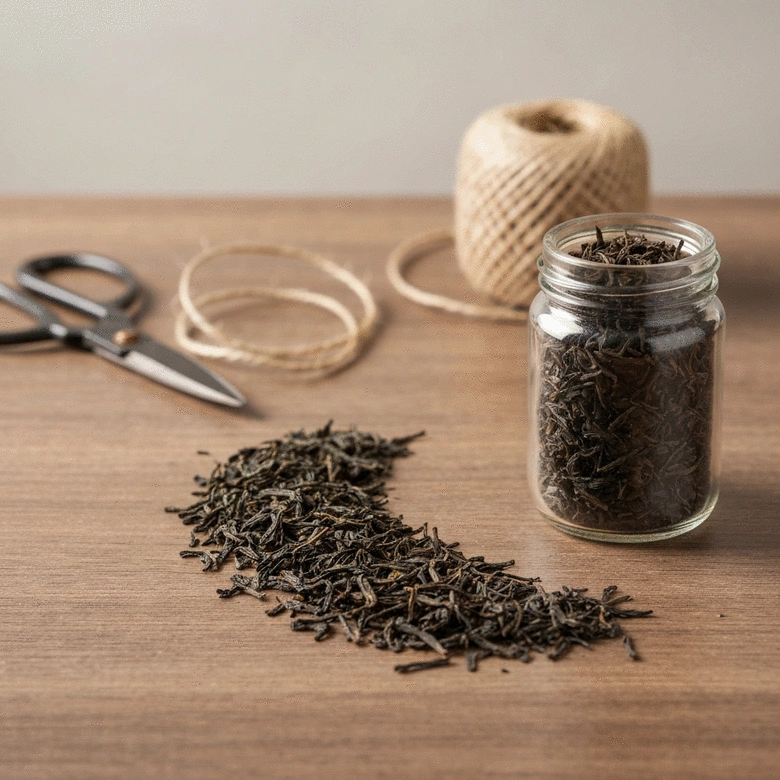
It's crucial to thoroughly dry the used tea leaves to prevent mold growth. Spread them on a baking sheet, a plate, or a sunny windowsill for a day or two until all moisture has evaporated. Once dry, they can be placed in sachets, bowls, or directly in areas needing deodorizing.
How do used tea leaves compare to commercial products in terms of odor control?
Used tea leaves are effective natural deodorizers, absorbing moisture and odors over time. While commercial products like bamboo charcoal or air fresheners might offer more immediate or stronger scents, tea leaves provide a gentle, chemical-free alternative. Their effectiveness can vary depending on the intensity of the odor and the size of the space.
What are the specific benefits of adding used tea leaves to garden soil?
Used tea leaves are rich in nitrogen, tannins, and organic matter, which are beneficial for soil. They help improve soil structure, retain moisture, and provide a slow-release source of nutrients for plants, promoting healthier growth. They can also attract earthworms, which further aerate and enrich the soil.
Are there any drawbacks to using DIY tea-leaf projects compared to store-bought options?
The main drawbacks include the time and effort required for preparation (drying the leaves), and they may not offer the same instant or strong scent as some commercial air fresheners. Their effectiveness can also be less consistent than engineered products. However, these are often outweighed by the cost savings and environmental benefits.
How often should I replace tea leaves used for deodorizing?
For optimal odor control, it's generally recommended to replace the dried tea leaves in sachets or bowls every 1-2 weeks, or when you notice a decrease in their effectiveness. The old leaves can then be composted or added to your garden.
Is there a particular type of tea that works best for specific applications?
For garden enrichment, any unflavored black or green tea works well. For deodorizing, again, any type of dried tea leaf is suitable. Some users prefer stronger-scented teas like Earl Grey for a subtle aroma, but the primary benefit comes from their absorbent properties.
Can used tea leaves attract pests to my home or garden?
When properly dried, tea leaves used for home freshness should not attract pests. For gardening, incorporating them into compost or burying them lightly in the soil minimizes the risk of attracting pests. Avoid leaving large piles of wet tea leaves exposed, as these could potentially attract insects.
Are there any safety concerns when using tea leaves in the home, especially around pets or children?
Used tea leaves are generally safe, being a natural product. However, like any small object, sachets should be kept out of reach of very young children or pets who might ingest them. Large quantities of ingested tea leaves could potentially cause mild issues due to caffeine residue, so supervision is advised.
Where is the best place to find information or tutorials for DIY tea-leaf projects?
Numerous online resources, including gardening blogs, sustainability websites, and DIY craft sites, offer detailed tutorials and creative ideas for repurposing used tea leaves. YouTube videos can also provide visual guides for various projects.
Reviewer's Pro Tip
From my testing experience: When using tea leaves for odor control, ensure they are thoroughly dried before placing them in sachets or bowls. Any residual moisture can lead to mold and defeat the purpose of freshness. A quick spread on a baking sheet or a sunny windowsill for a day or two works wonders!
Final Verdict on Tea-Leaf DIY Projects for Home Freshness and Garden Feeding
After diving deep into the world of tea-leaf reuse, I've found that these simple, sustainable projects can truly transform both your garden and home environment. They not only offer an eco-friendly solution to waste but also enhance our living spaces without the need for costly commercial products. Ultimately, the decision between going DIY or purchasing ready-made solutions depends on your personal preferences for convenience, cost, and commitment to sustainability.
Recommendations for Tea-Leaf DIY Projects
If you’re eager to start using your used tea leaves, I recommend the following projects based on their practicality and ease of setup:
- Composting with Tea Leaves: If you're serious about gardening, consider composting. It's a long-term investment that pays off in rich soil.
- DIY Tea Sachets: For those looking to deodorize small spaces without spending a dime, tea sachets are incredibly effective and simple to make.
- Tea Leaf Bowls: If you're after a low-effort solution for odor absorption, placing bowls of dried tea leaves around your home is a great choice.
Value Assessment: DIY vs. Store-Bought Solutions
When weighing the value of DIY tea-leaf projects against commercial products, here are some factors to consider:
- Cost: DIY methods are generally much cheaper, as they utilize materials you already have at home.
- Convenience: Store-bought products like bamboo charcoal bags provide immediate results without any prep work, making them appealing for busy lifestyles.
- Environmental Impact: Opting for DIY projects contributes to zero waste, while commercial products may generate excess packaging waste.
Who Should Buy These DIY Projects?
These DIY projects are ideal for:
- Garden Enthusiasts: Those looking to enrich their soil naturally will greatly benefit from composting with tea leaves.
- Budget-Conscious Homeowners: If you're seeking cost-effective solutions for home freshness, DIY sachets and bowl deodorizers are perfect picks.
- Sustainability Advocates: Individuals who prioritize eco-friendly practices will appreciate the zero-waste approach of these projects.
On the other hand, if you value convenience and quick results without any commitment to DIY, commercial products like bamboo charcoal bags or Citrus Magic gels might serve you better.
Final Thoughts
In conclusion, the world of tea-leaf reuse is both rewarding and practical. As an advocate for sustainable living and with my background in creating toxin-free environments, I genuinely believe that these DIY projects can help you reduce waste while enhancing your home’s freshness and your garden's vitality. Whether you choose to embrace the DIY method or opt for store-bought solutions, the most important thing is to find what works best for you and your lifestyle. Happy crafting!